
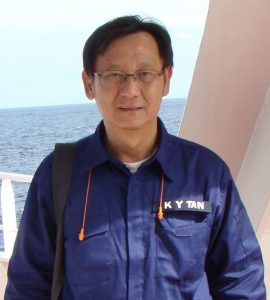
 Dr. Tan Kok Yang,
BSc Bldg, MSc(Bldg Sc) NUS, PhD(NE),NSW,Aust.
Member, Society of Acoustics, Singapore.
Principal Acoustic Consulant
Managing Director
Acoustical Laboratory Pte Ltd
Dr. Tan is the Managing Director and Principal Consultant of M/s Acoustical Laboratory Pte Ltd. He graduated with a Degree in Building and a Master Degree in Building Science in 1988 from the National University of Singapore. In 1997, he completed his PhD (Housing Environmental Studies) at the University of New England, N.S.W. Australia.
A former lecturer in Acoustics and Environmental Science at the Singapore Polytechnic, his interests in environmental issues, in particular, those that affect human habitation had prompted him to set up his own acoustic and environmental consultancy. As a Singapore Ministry of Manpower approved trainer/consultant, Dr. Tan had conducted training for the public, government agencies. MNCs as well as SMEs on topics such as workplace noise monitoring, noise control and hearing conservation. He also lectures for the Singapore Polytechnic, Specialist Diploma in Occupational Hygiene course and the Workplace Noise Monitoring Course (GreenSafe Pte Ltd).
His expertise on hearing conservation, noise monitoring and controls had resulted in many of his Clients receiving the National Noise Control Awards over the years. Dr. Tan was a member of the working group for Code of Practice for Industrial Noise Control (Technical Committee on Equipment & Machinery Safety in Workplace),i.e. CP 99:2003: Industrial Noise Control.
Some of the acoustic projects which he had undertaken include the Singapore Parliament House, NUSS, Jurong Medical Centre, Community Clubs and private entertainment outlets. His expertise on noise monitoring, control and hearing conservation is much sought after by business owners and operators in the manufacturing, construction, marine, healthcare and entertainment industries. Among the acoustic tests and noise measurements assignments under his charge include The Singapore Chinese Cultural Centre,SCCC, Sumitomo Chemical Singapore, Hyflux desalination plant, Singapore Press Holdings, hospitals projects, condominiums and community clubs.

MODULE NO. 1:
- Noise in our environment
- Effects of noise on hearing, health & comfort
- Noise measurement
- Noise control methods and materials
- Noise regulations
- Conflicts resolutions and mitigation techniques
Course Synopsis
SESSION ONE (THEORY) 3.5 HRS
Topic 01: Noise in our Environment:
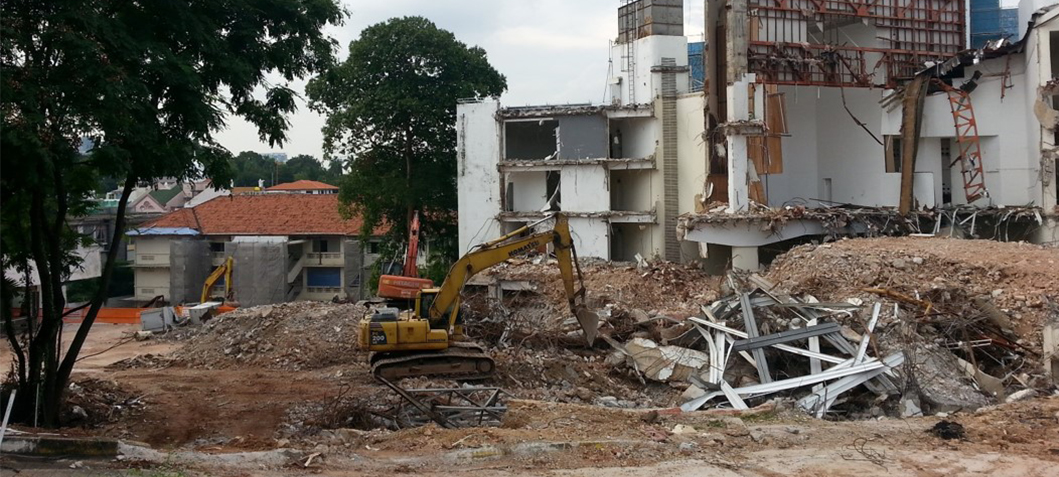
Participants will be introduced to the basic principles of Sound Propagation and the differences between Sound & Noise. The common causes of noise problems due to environmental sources will be highlighted and their likely effect of human will be explained. The stack holders and people likely to be affected by noise and involved in dealing with the problem will be discussed. Videos, slide presentations and actual case reports, will be used to highlight the increasingly common noise problems in our society.
Topic 02: Effects of Noise on Hearing, Health & Comfort
This topics touches on the effects of noise on hearing including the causes of Noise Induced Deafness and Age Related Hearing Loss. Also included are the factors affecting our aural comfort and health. Participants will also be encouraged to share their personal and work experience dealing with noise. 3D model of the Human Ear will be used to explain NID symptoms and the effects on human hearing.
Topic 03: Noise Measurement
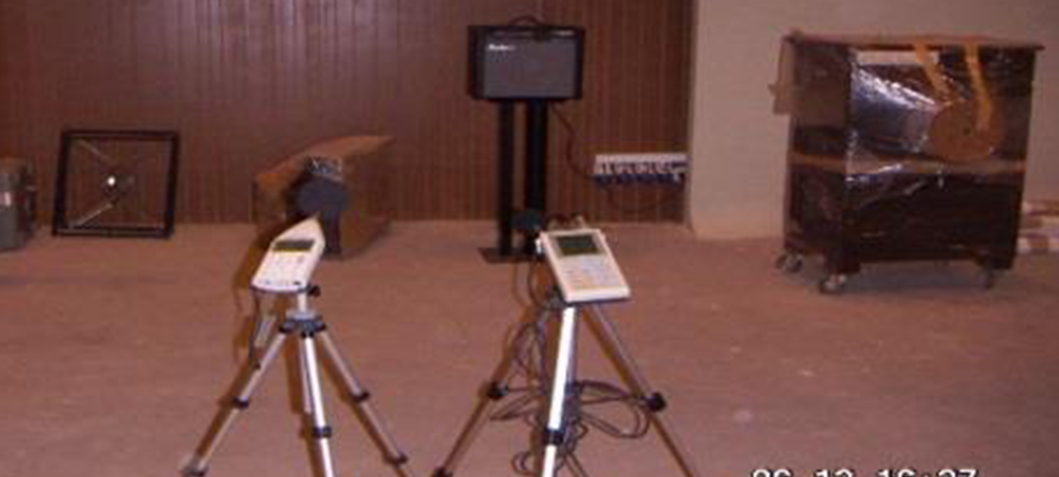
The basic instrument used to measure noise levels will be introduced to the participants and explained in details how the readings corresponds to the human perception of noise in our living environment. Participants will be have an opportunity to try on the instrument during the Practical Sessions
Topic No.3: Noise Control Methods and Materials
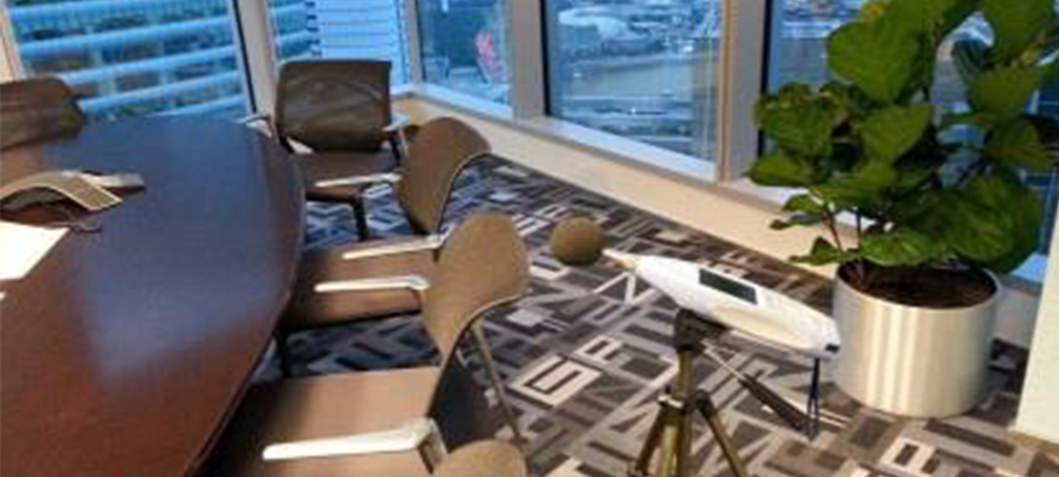
The concept of S:P:R i.e. Source, Path and Receiver for tackling noise problems will be highlighted and introduced to the participants. Various generic noise control measures will also be presented so that participants can gain an insights into practical noise control measures in the industries. Different types of noise control materials will be introduced and presented in samples. (Note: No endorsement of any proprietary products will be made throughout the course to avoid conflicts of interests on our part as Consultants and Trainers.)
Topic No. 4: Noise Regulations
The following Local legislation and Regulations will be explained to the participants:
WORKPLACE SAFETY AND HEALTH ACT (CHAPTER 354A) WORKPLACE SAFETY AND HEALTH (NOISE) REGULATIONS 2011
Environmental Protection and Management (Boundary Noise Limits for Factory Premises) Regulations 2008.
Environmental Protection and Management (Control of Noise At Construction Sites) Regulations 2008
Others includes: workplace safety and health (wsh) guidelines.
Note: The above Regulations and Guidelines will introduced to participants and only the key points will be highlighted. Participants will be advised on where to obtain more information,
Topic no. 5 Conflicts Resolutions Techniques
Participants will be provided with case studies and examples of how conflicts due to noise problems can be effectively handled and deal with. Resolutions methods include mediation, provision of evidence, education, proper approach, public relation effort,with strong emphasis on human relationship and win-win situation. Finally, steps to resolve noise problems will be presented and as a last resort, the steps to take legal means to settle the problems.

MODULE NO. 2:
- Sources of noise (demonstration)
- Noise monitoring & measurement
- Noise control – workshop
- Using mobile devices for noise monitoring (apps)
- Video and slides presentation
- Self tests (MCQs)
- Q&A & Course feedback
Course Synopsis
SESSION TWO ( PRACTICAL) 4.5 HRS
TOPIC 1: Sources of Noise (Demonstration)
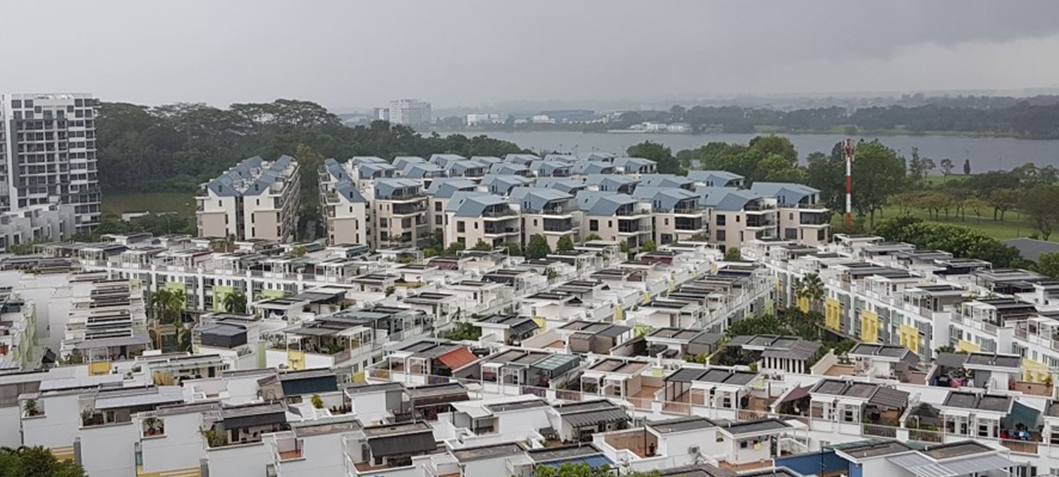
Participants will be introduced via Acoustic Sound Source generations, various types of noise in our environment. Video footages of such sources will be shown.
TOPIC 2: Noise Monitoring & Measurement
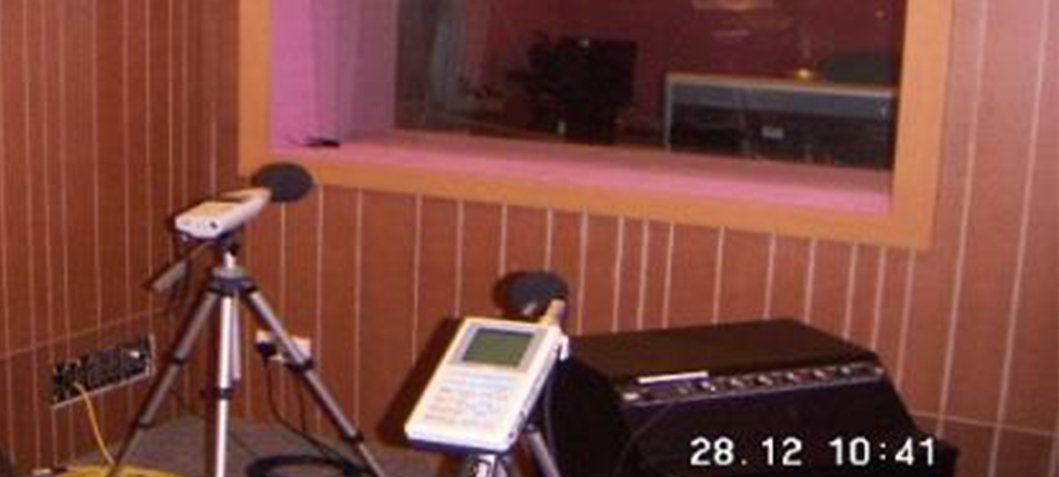
Sound Measurement Instruments, i.e. Participants will experience first hand how the Sound Level Meter can be used to measure noise levels and how to understand the readings.
TOPIC 3: Noise Control – Workshop
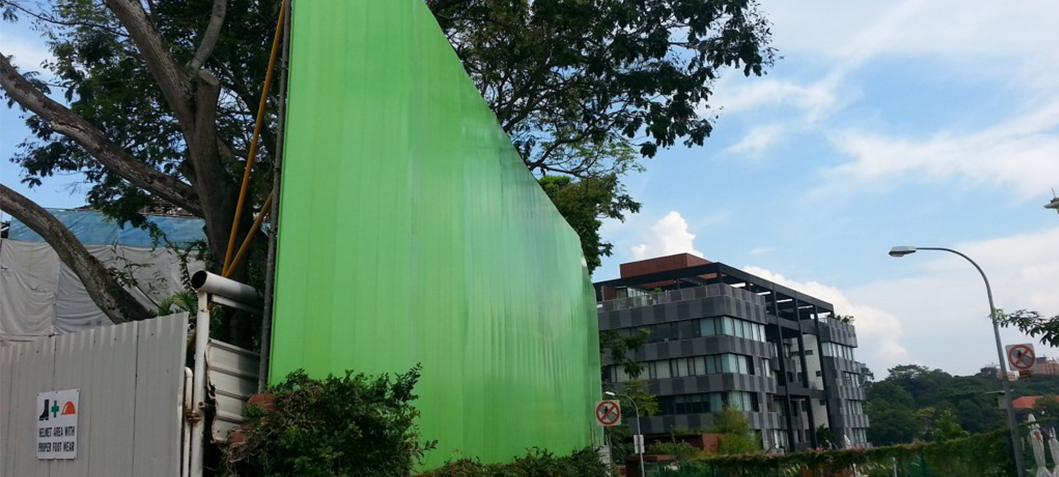
Participants will be introduced to common noise cases and will be make use of the Sound Level Meters to measure the noise levels and propose noise control measures. Participants will also be introduced to using Free Applications on Mobile Devices for Noise Monitoring.
COURSE CONCLUSION
Q & A: For any clarification and queries from participants.
Self-Tests (MCQs): Participants undertake a 30 minutes 20 MCQ self-test
Course Feedback: Test Reviews and Course Feedback.
Issue of CERTIFICATES OF ATTENDANCE: for participants who attended both sessions.
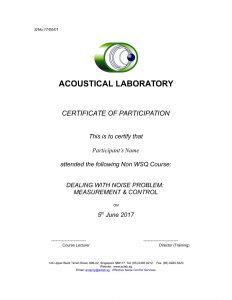
CERTIFICATION
Upon completion of the course, you will receive a certificate to show you have attended the course.